Introduction
In the world of modern construction, long span roofs can be game-changers—especially in Florida, where large, open interior spaces are in high demand for sports facilities, aviation hangars, event halls, and industrial warehouses. These roofing systems allow wide, uninterrupted spans without the need for numerous interior columns, which maximizes functionality and aesthetics. The challenge? Designing and constructing a system that not only meets load requirements but also stands up to the Sunshine State’s hurricane-force winds, humidity, and building codes.
What Are Long Span Roofs?
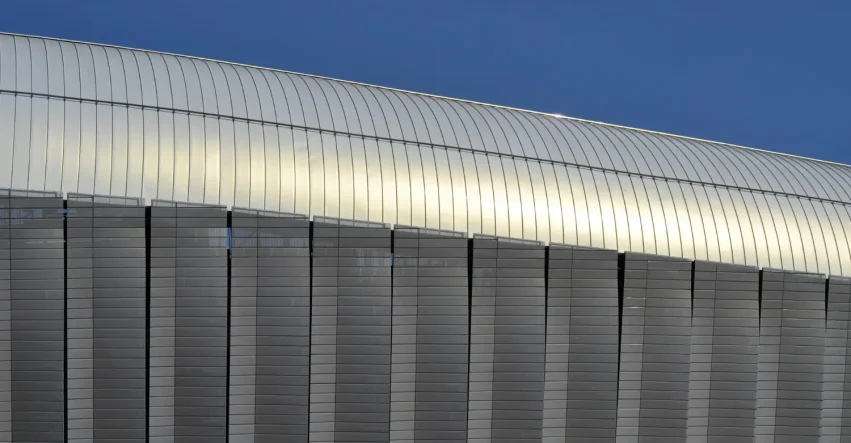
A “long span roof” generally refers to any roof structure that spans more than 40 feet without intermediate supports—some exceeding 150 feet in specialized projects. They are designed to carry their own weight plus environmental loads (wind, rain, live loads) over large open areas while remaining structurally efficient.
What sets these systems apart is the engineering precision required; every component must work together to resist Florida’s dynamic forces and keep interiors protected and open.
Advantages of Long Span Roofs
Compared to traditional roof systems, long span roofs offer:
- Maximized Usable Space: Fewer columns mean unobstructed floor plans—ideal for arenas, warehouses, and convention centers.
- Faster Construction: Prefabricated and modular systems reduce onsite labor and time.
They also facilitate clear interior sightlines, greater spatial flexibility for reconfigurations, and efficient movement of people or machinery. In a rapidly urbanizing Florida, these benefits support both operational innovation and greater return on investment.
Common Applications in Florida
Florida’s commercial, industrial, and public-use sectors frequently leverage long span roofs for:
Sports Facilities & Gymnasiums: Uninterrupted courts and fields for professional and school teams throughout Jacksonville and Orlando.
Aircraft Hangars and Marine Terminals: Wide doors and bays for quick, safe equipment movement in Miami and along the Gulf Coast.
Civic Centers, Auditoriums & Event Venues: Flexible interior layouts for conventions, performances, or disaster relief staging.
Material Options
The choice of material is closely linked to long-term performance in Florida’s climate.
- Steel: Chosen for strength and resilience, but requires thoughtful protection (galvanization, paint, or powder coating) in humid or coastal environments.
- Precast Concrete: Sometimes used for acoustics, fire integrity, or unique architectural profiles.
Modern engineered wood products and tensioned fabric systems are now appearing in recreational and temporary long span applications, providing great design flexibility where compatible with Florida codes.
Popular Structural Systems
Selection depends on span length, site constraints, and use case. Some leading options:
Portal Frames: Simple, cost-effective—workhorses for many Florida warehouses.
Pitched Trusses: Efficient load handling and natural daylighting; often customized for school gyms or pool enclosures.
Space Frames: Allow dramatic roof forms for civic architecture; with manufacturing, precision is critical for proper site assembly under Florida’s weather pressures.
Saw-Tooth and North Light Roofs: Re-emerging in sustainable projects that target natural lighting or solar integration.
Design Considerations in Florida
Long span roof projects in Florida demand precise local adaptation:
Wind and Hurricane Resistance: Roof design must satisfy Florida Building Code’s stringent uplift, bracing, and anchoring requirements. Edge detailing, anchorage, and roof-to-wall connections are critical—and often require intensive engineering review for code compliance and permitting.
Moisture and Drainage: In Florida’s rainy seasons, large roof areas must shed water rapidly to avoid “ponding.” Gutter and drainage systems must be appropriately sized and designed for local rainfall data.
Solar & Heat Gain: Roof orientation, surface color, and reflective coatings play a large role in combating heat gain and reducing cooling loads year-round. Incorporating these measures into the initial design is far more cost‑effective than retrofitting later.
Construction, Maintenance & Lifecycle Value
Offsite prefabrication is common for long span roof components, offering higher quality control and faster assembly during unpredictable Florida weather. Craning large trusses or frames into place often demands special permits and logistics, especially for projects near airports, ports, or urban centers.
Maintenance strategy is crucial over the lifecycle. Protective coatings and regular inspections help steel structures resist corrosion. Smart roof monitoring (with embedded sensors) can identify drainage issues or wind stresses before costly failures occur. Establishing a preventative maintenance plan from day one extends service life and preserves property value.
Occupant Experience and Interior Flexibility
For building owners and users, the real beauty of long span roofs lies in their flexibility. Floor plans can be evolved over time—mezzanines added, racking rearranged, sports courts expanded—all without major structural disruption. With open views and ample daylighting, long span spaces foster comfort and high performance for both people and machinery.
MEP Integration in Long Span Roof Projects
Because long span roofs often serve as the primary overhead structural system, they commonly incorporate mechanical, electrical, and plumbing components into their design. HVAC duct routing, lighting rigs, fire suppression systems, and suspended equipment must be considered early in the design phase to avoid costly retrofits.
Working with a multidisciplinary engineering team like InnoDez ensures that both structure and building systems work harmoniously—meeting schedule and budget goals.
How InnoDez Can Help
InnoDez brings extensive Florida experience in designing and documenting long span roof systems for multiple sectors. Our integrated structural and MEP approach means:
- Optimized designs that balance weight, cost, and Florida-specific code compliance.
- Coordinated solutions that embed lighting, HVAC, and fire protection seamlessly into the structural design.
In addition, for projects near coastlines or in hurricane-prone areas, we offer peer‑reviewed engineering designed to meet or exceed the latest state and local requirements, giving owners, insurers, and communities confidence in every span.
Conclusion
From coastal hangars to inland sports arenas, long span roofs are vital for creating large, unobstructed spaces in Florida’s diverse building landscape. To succeed, these structures must integrate smart material choices, Florida-specific resilience features, and early MEP coordination.
For more technical insights on roof engineering, visit the Steel Construction Institute’s long span roof guide. If you’re planning a Florida project that could benefit from a long span roof, contact InnoDez for design solutions built for performance, compliance, and cost efficiency.