
- Mon-Fri 9am-5pm
- hello@innodez.com

In Florida, where hurricanes and shifting soils present unique construction challenges, structural drawings are not just technical documents—they’re the backbone that supports your entire building. These meticulously crafted plans tell the story of how your structure will stand up against nature and time. They help builders bring architects’ visions to life while ensuring compliance with the complex Florida Building Code.
This guide is your backstage pass into the world of structural drawings: what they are, why they’re indispensable, and how they bring peace of mind from groundbreaking to ribbon cutting.
Think of structural drawings as the DNA blueprint of your building’s frame. Unlike architectural drawings that focus on aesthetics and spaces, structural drawings dive deep into the bones—detailing foundations, framing, beams, columns, and reinforcements.
They matter because Florida’s weather demands it. From withstanding hurricanes with fierce winds to resisting flooding and settling issues, your building needs a structure designed with care and precision.
Structural drawings are your guarantee that every anchor bolt and beam is sized, placed, and connected for maximum strength and durability. They are also essential approvals before construction begins—demonstrating to permit offices that your project meets safety and regulatory standards.
Florida’s construction scene faces two main threats: wind loads from hurricanes and shifting ground conditions in coastal and swampy areas. Structural drawings address both by specifying materials and techniques that mitigate these risks.
For example, they include design details like hurricane straps that tie roofs to walls, reinforced concrete foundations that resist flood and soil erosion, and sheathing systems that brace walls against lateral forces. Without these critical elements clearly documented, a building’s safety is compromised.
A well-detailed structural drawing set accounts for local building codes, soil reports, and climatic factors—transforming vulnerability into resilience.
A typical Florida-focused structural drawing package includes:
Each page forms an integral piece in ensuring your project can withstand Florida’s specific demands.
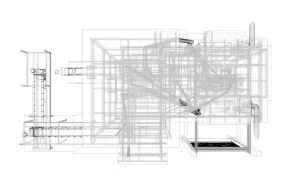
While architectural drawings woo with visuals, structural drawings dive into physics. Building permit sets may also include mechanical, electrical, and plumbing (MEP) plans. These show the “wiring” of services inside the building but don’t address how the building stands.
Structural drawings bridge design dreams and engineering reality, dictating how each piece fits to provide strength and safety.
The Florida Building Code (FBC) is one of the most comprehensive and stringent statewide codes in the US. Structural drawings must comply with FBC’s standards on wind loads, flood zones, seismic considerations, and material quality.
Because Florida’s coastal zones are heavily regulated, drawings often need to include special certifications and enhanced details for hurricane mitigation. Compliance with these codes is non-negotiable to obtain permits and keep insurers satisfied.
Additionally, Florida enforces a building recertification process that requires periodic inspection of structural and electrical systems, especially in older buildings located in high-risk zones like Miami-Dade and Broward counties. Recertification ensures that structures remain safe and in good repair, preventing degradation that could lead to catastrophic failure during severe weather events.
The inspection focuses on foundations, load-bearing walls, columns, beams, floors, and roofs—checking for cracking, corrosion, or deflection. Adhering to recertification schedules and resolving any findings promptly is a critical aspect of property management in Florida, complementing the initial structural drawing’s role in design compliance.
Creating structural drawings is a multidisciplinary dance. Architects provide spatial and aesthetic visions; structural engineers solve complex load-bearing puzzles; and CAD technicians convert these concepts into precise technical drawings.
Regular coordination meetings ensure the structural team stays aligned with architects and MEP designers, resolving clashes before ground is broken. Digital tools such as Revit or AutoCAD speed collaboration and reduce costly errors.
To learn how we integrate structural integrity with architectural creativity, explore InnoDez Florida’s structural engineering services or get in touch via our contact page.
Clear, precise structural drawings mean quicker permitting, fewer change orders, and less on-site confusion. Ambiguities cause costly delays; misinterpretations lead to rework or worse, unsafe structures.
Moreover, comprehensive documentation supports warranty claims and future renovations. It empowers property owners with transparency about the building’s structural framework.
In Florida’s demanding environment, structural drawings are the unsung heroes behind every enduring building. Their precision and compliance ensure safety against nature’s extremes while turning architectural ideas into solid reality.
Partner with InnoDez Florida for expert structural engineering that fuses local knowledge with cutting-edge design. Visit our Structural Engineering Services or contact us today to safeguard your next build.


