MEP Engineering And Design

Call For Any Inquiry
Name

MEP DESIGN AND ENGINEERING – InnoDez Florida

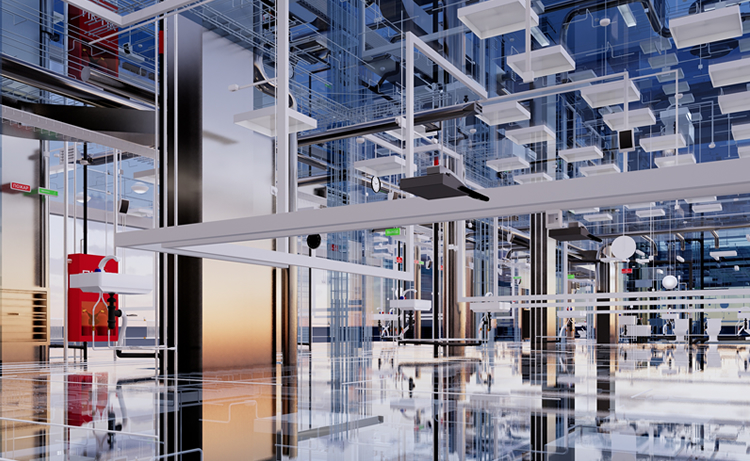
InnoDez  stands as a top-tier provider of MEP (Mechanical, Electrical, and Plumbing) engineering solutions, offering expertise in HVAC, plumbing, electrical, and fire protection systems. We serve a broad range of commercial, residential, and industrial projects throughout Florida and Georgia. Our organization is structured into four to five specialized teams, enabling us to manage multiple projects concurrently with a strong focus on delivering both speed and quality. Our teamwork-driven approach promotes clear communication and builds enduring client partnerships.

OUR MEP ENGINEERING SERVICES WILL BRING YOUR BUILDINGS TO LIFE

MEP Engineering is a vital part of the building design process aimed at creating safe and functional environments for owners and occupants. The “Mechanical” component covers heating, cooling, and ventilation systems. “Electrical” includes the power supply infrastructure such as outlets and lighting fixtures, while “Plumbing” focuses on water delivery and wastewater drainage. MEP design demands precision and meticulous attention to detail.

We operate as a unified team of dedicated professionals committed to the successful completion of your project. Our high-quality MEP designs can help save time and reduce costs during the permitting phase by minimizing plan checks, comments, or revisions required by local Florida and Georgia authorities.

MEP (MECHANICAL, ELECTRICAL AND PLUMBING)

As a leading MEP design firm in the Southeast, we take pride in delivering quality services. Our expertise spans the core disciplines of MEP engineering:

MEP Engineering
Our mechanical engineering team specializes in designing heating, cooling, and ventilation systems that ensure optimal indoor comfort. Whether for residential, commercial, or industrial projects, our experienced engineers tailor mechanical systems to meet the unique needs of each building and its occupants. From energy-efficient heating solutions to cutting-edge air conditioning systems, we focus on comfort and sustainability.

Our skilled electrical engineers design efficient and reliable power systems for a wide range of projects across Florida. Beyond wiring, we develop seamless power distribution and innovative lighting solutions. Imagine energy-saving LED lighting illuminating offices, corridors, and common areas to enhance productivity. Robust electrical panels ensure uninterrupted power flow and safety. From initial design to final approval, we empower your spaces with excellence.



Plumbing is critical in building design, focusing on water supply and wastewater management. Our comprehensive plumbing designs ensure efficient water delivery and disposal systems. From water supply networks to sewage systems, our plumbing engineers ensure compliance with Southeast’s states regulations while maximizing occupant convenience.


InnoDez 8 MEP SERVICES FOR YOUR SUCCESSFUL PROJECT DELIVERY

MECHANICAL DESIGN AND ENGINEERING

• Heating design
• Cooling design
• Humidifying system design
• Dehumidifying system design
• Cleaning: removing particulates and contaminants
• Ventilation: diluting gaseous pollutants
• Air movement and air treatment system design: circulating and mixing air for proper ventilation and thermal energy transfer
• Humidification Control
• Radiant hydronic system
• Geothermal Heat Transfer
• Smoke Management System
ELECTRICAL DESIGN AND ENGINEERING

• Design Basis requirements and Electrical Load calculations
• Lighting layout and Lighting calculations
• Cable sizing calculation
• Single Line Diagrams (SLDs)
• Lightning protection calculation and Lightning protection layout
• Power and Small Power Distribution Layout
• Security Systems Layout
• Building & Energy Management and Control System Design
• Emergency, UPS, and Standby Power Design
• Photometric Study for Indoor & Outdoor Lighting
• Data and Telecom Design
PLUMBING DESIGN AND ENGINEERING

• Hot & Cold-water capacity calculations
• Sizing & Selection of Calorifiers, Pumps
• Water Storage Tanks
• Pipe sizing for water services
• Water Services Schematics
• Vacuum Piping Design
• Fuel Gas Piping Design
• Compressed Air Systems
• Medical and Laboratory Gases
• Hydraulic Fluids
• Industrial Waste Collection
• Pools and Fountains
• Water Treatment Filtration and DI Water Systems
FIRE PROTECTION DESIGN AND ENGINEERING

• Design of Fire Sprinkler system as per NFPA 13 and local AHJ requirements.
• Hydraulic Calculation based on NFPA-13/13R/13D as required.
• Selection of sprinkler heads, and fire pumps if required.
• Water Spray Fixed Systems for Fire Protection
• Foam-Water Sprinkler and Foam-Water Spray Systems
• Fire Suppression System including NOVEC & FM-200
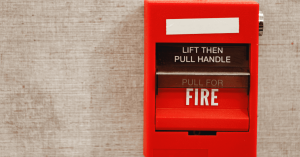
• Fire Alarm System Design
ENERGY EFFICIENCY

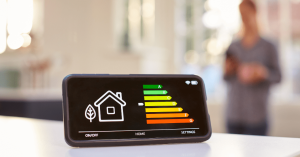
• REScheck
• COMcheck
• Title 24 Energy Calculations Reports
• Energy Gauge
• Other State-Specific Reports
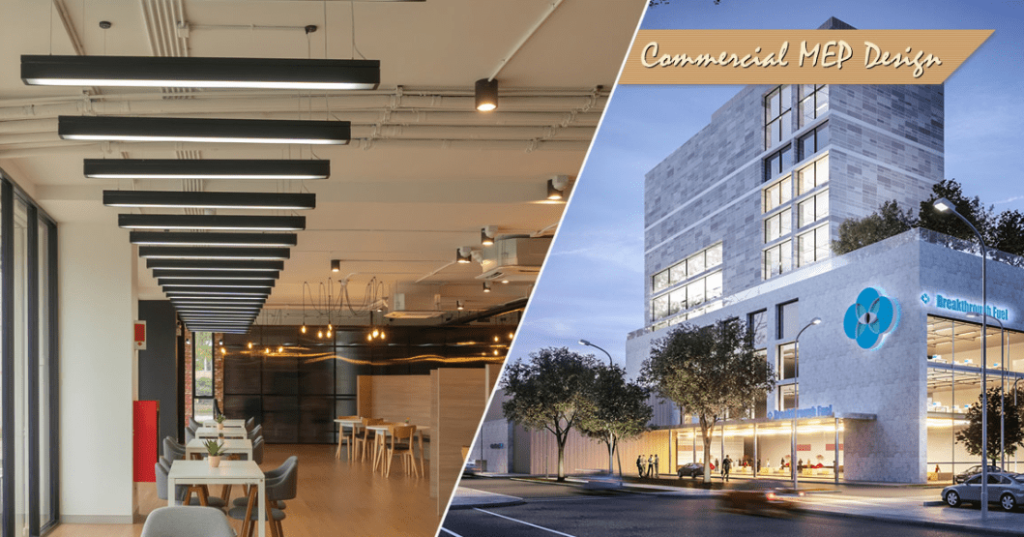
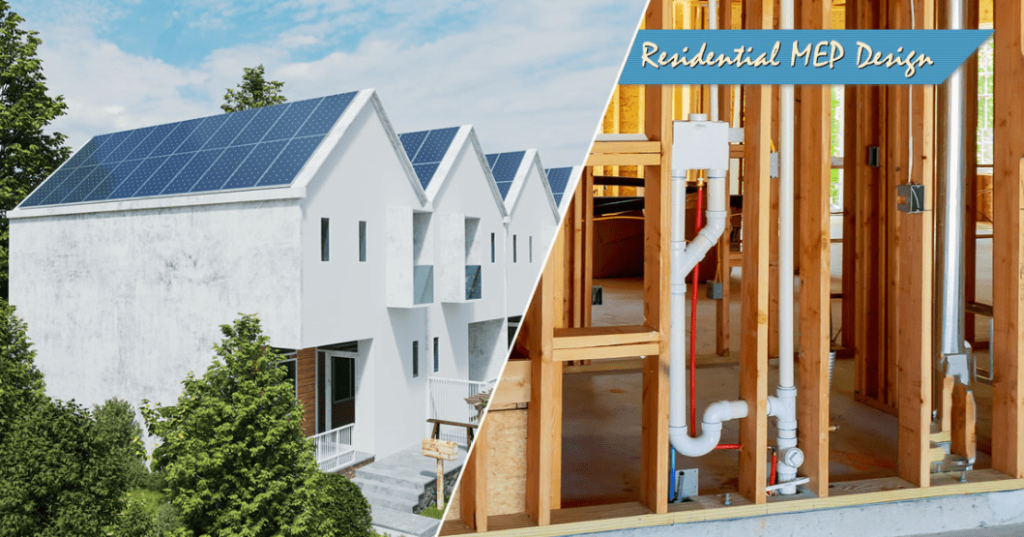
Elevating MEP Design Services Across the Southeast

Our service coverage extends well beyond Florida’s borders, reaching clients throughout the state and beyond. Whether your project is in Miami, Orlando, Atlanta, Tampa, Jacksonville, Fort Lauderdale, St. Petersburg, or any other dynamic city in Florida or Georgia, we are committed to delivering outstanding MEP design services tailored precisely to your requirements.

Versatility Across Project Sizes:

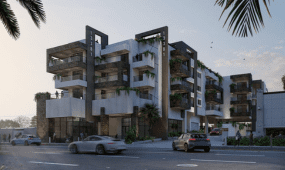
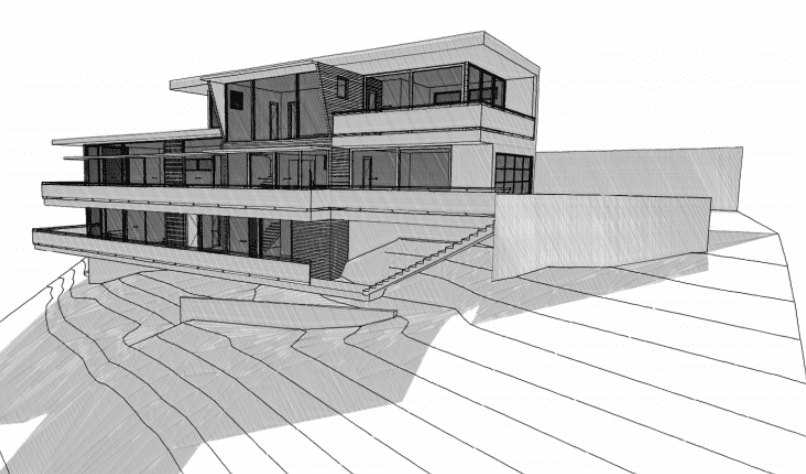
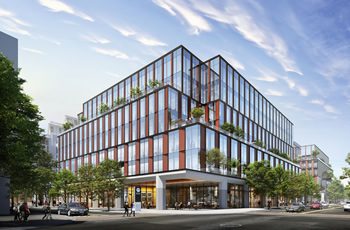
No project is too small or too large for our experienced team. From intimate residential developments to expansive industrial facilities, our skilled engineers adapt seamlessly to every project scale. We recognize that each project is distinct and demands a personalized approach. That’s why we work closely with our clients, gaining a deep understanding of their goals and specifications to ensure success.


Our Commitment
:
With extensive experience and a strong presence across Florida, we bring innovation, expertise, and professionalism to every assignment. Whether optimizing energy efficiency, ensuring regulatory compliance, or creating sustainable and resilient designs, we are dedicated to elevating your vision. Let’s collaborate to build a better future together!

MEP ENGINEERING FOR COMMERCIAL, RESIDENTIAL, AND INDUSTRIAL BUILDINGS

MECHANICAL DESIGN AND ENGINEERING

Heating design is a vital component of building construction and infrastructure development. It involves planning and implementing heating systems that provide comfortable and efficient thermal conditions indoors. The objective is to develop a balanced, sustainable heating solution that meets the specific needs of building occupants while minimizing energy consumption and environmental impact.

The initial step in heating design is assessing the building’s heating requirements. Factors such as the size and layout of the space, Florida’s climate conditions, and occupancy patterns are carefully evaluated. This information helps determine the heating load, the amount of heat needed to maintain a desired indoor temperature.


After calculating the heating load, the next phase involves selecting suitable heating equipment and designing the distribution system. This includes choosing appropriate heating technologies such as boilers, furnaces, or heat pumps, and specifying their capacity and efficiency. The distribution system design covers the layout of pipes, ducts, vents, and radiators to ensure even heat distribution throughout the building.


Heating design also integrates control systems and automation to enable precise temperature regulation, scheduling, and energy management. These controls can adjust heating levels based on occupancy or time of day, optimizing energy use.


In summary, heating design is essential for creating comfortable, energy-efficient indoor environments. By carefully addressing heating needs and implementing appropriate systems and controls, MEP engineers ensure occupants enjoy thermal comfort while minimizing energy use and environmental impact.


Cooling design is an integral part of a building’s MEP systems, ensuring occupant comfort and safety in Florida’s warm climate. It involves planning and implementing comprehensive cooling solutions that meet the building’s requirements.

A key element of cooling design is determining the cooling load—the amount of heat that must be removed to maintain comfortable indoor temperatures. This calculation considers factors such as building size, orientation, insulation, and occupancy levels.

Once the cooling load is established, selecting the right equipment is critical. This includes chillers, air handling units, fans, and pumps, with a strong emphasis on energy efficiency to reduce operational costs and environmental impact.

Designing an efficient distribution system is also essential. This involves planning ductwork or piping layouts to ensure proper airflow and temperature control throughout the building. The placement of vents or diffusers and the sizing of ducts or pipes are optimized to maximize cooling performance.

In conclusion, cooling design is fundamental to creating comfortable, energy-efficient buildings. By accurately calculating cooling loads, selecting appropriate equipment, and designing effective distribution systems, MEP engineers develop cooling solutions that meet occupant needs while minimizing energy use and costs.


Humidifying design involves creating systems that add moisture to indoor air to maintain optimal humidity levels, which is crucial for occupant comfort, health, and preservation of materials and equipment.

Key considerations include the size and layout of the space, desired humidity levels, the existing HVAC system, and occupant requirements. The design process involves selecting suitable humidification equipment, such as steam or evaporative humidifiers, and determining their optimal placement within the building.

The aim is to establish balanced and controlled humidity that meets occupant needs while minimizing energy consumption. This requires precise calculations and integration with other MEP systems.

Proper humidifying design offers numerous benefits: improved indoor air quality, reduced respiratory issues, alleviation of dry skin, and protection of furniture, artwork, and sensitive equipment. It is especially important in spaces requiring precise humidity control, such as laboratories and healthcare facilities.

In summary, humidifying design is essential for comfortable, healthy indoor environments and demands careful planning and expertise to ensure systems are properly designed, installed, and maintained.


Dehumidifying design focuses on removing excess moisture from indoor air to maintain a comfortable and healthy environment, particularly important in Florida’s humid climate.

This process involves selecting and sizing appropriate equipment like dehumidifiers and integrating them into the building’s overall design.

A critical step is calculating the moisture load generated by occupants, equipment, and other sources. Accurate estimation allows engineers to choose dehumidifiers with sufficient capacity. Proper ventilation and airflow management are also essential to distribute dry air effectively.

Energy efficiency is a major consideration since dehumidification systems can consume significant power. Selecting energy-efficient equipment and incorporating energy recovery systems, such as heat exchangers, can reduce overall consumption by utilizing waste heat.

Overall, effective dehumidifying design requires understanding moisture loads, selecting efficient equipment, and optimizing ventilation and airflow to create a comfortable indoor environment while minimizing energy use.


Ventilation systems are vital for diluting gaseous pollutants and maintaining high indoor air quality. Pollutants like volatile organic compounds (VOCs), carbon monoxide, and nitrogen dioxide, emitted from materials, cleaning agents, and combustion processes, can be harmful at high concentrations.

Ventilation introduces fresh outdoor air and exhausts stale indoor air to reduce pollutant levels. Mechanical fans facilitate air exchange, while filters remove particulates and some gases, further improving air quality.

Effective ventilation design considers building size, occupancy, and pollutant sources to meet air exchange requirements. Regular maintenance ensures continued system performance.

In conclusion, ventilation systems are essential for healthy indoor environments by reducing harmful gases through fresh air exchange. Proper design, installation, and upkeep are critical to their effectiveness.


Designing air movement and air treatment systems is crucial for comfortable, healthy indoor spaces. These systems manage air circulation, quality, temperature, and humidity.

Air movement systems include ductwork, fans, and equipment that distribute conditioned air. Proper airflow maintains temperature, removes odors, and prevents pollutant buildup. Design factors include building size, layout, occupancy, and space-specific needs.

Air treatment systems improve air quality by removing contaminants and controlling humidity, using filters, humidifiers, dehumidifiers, and other equipment. Design accounts for desired filtration levels, pollutant types, and occupant needs.

Well-designed air movement and treatment systems enhance occupant comfort and well-being while improving energy efficiency and reducing costs by optimizing HVAC performance.


ELECTRICAL DESIGN AND ENGINEERING

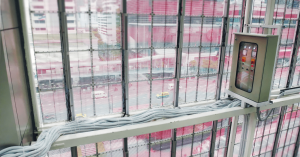
Electrical engineering is a fundamental part of our MEP services in Florida. It covers lighting, receptacles, mechanical power, electrical riser diagrams, panel schedules, specifications, and construction details for low to high voltage systems, including normal and emergency power.

We provide electrical design services for all building types. A well-designed electrical system supports other building systems such as air handlers, pumps, air conditioners, communication networks, lighting, and office equipment. Our designers specify installations that deliver the required power safely and comply with Florida building codes.

  • Design Basis requirements and Electrical Load calculations
  • Lighting layout and Lighting calculations
  • Cable sizing calculation
  • Single Line Diagrams (SLDs)
  • Lightning protection calculation and Lightning protection layout
  • Power and Small Power Distribution Layout
  • Security Systems Layout
  • Building & Energy Management and Control System Design
  • Emergency, UPS, and Standby Power Design
  • Photometric Study for Indoor & Outdoor Lighting
  • Data and Telecom Design

Using advanced energy modeling software, we accurately estimate total building energy usage and break down requirements for each electrical component. We also integrate alternative energy sources like solar panels, natural gas generators, co-generators, micro-turbines, and diesel generators where efficient and cost-effective.

Electrical design basis requirements and load calculations are foundational to MEP system design and installation. They ensure systems meet occupant needs while adhering to safety standards and regulations.


Design basis includes building purpose, occupancy, size, and location, determining specific system needs.


Load calculations estimate electrical power demand by summing consumption from lighting, HVAC, and other equipment. This informs sizing for transformers, switchgear, and distribution panels.


Calculations incorporate diversity and demand factors to prevent overload.


Accurate electrical load calculations ensure safe, efficient, and reliable building electrical systems.

Lighting layout and calculations are essential to functional, visually appealing environments. Electrical engineers design layouts by determining fixture types and placements based on space use, activities, and ambiance.

Energy efficiency and sustainability guide fixture selection.

Lighting calculations determine required illumination levels per area, following industry standards to ensure adequate lighting.

Accurate lighting ensures comfort and safety, avoiding eye strain or glare.

Cable sizing calculation ensures safe, efficient electrical distribution by determining appropriate cable sizes based on load, voltage drop, and ambient temperature. Proper sizing prevents overheating, voltage fluctuations, and hazards, ensuring optimal system performance and safety compliance.

Single Line Diagrams provide simplified visual representations of electrical systems, showing power flow from generation to loads. They aid design, operation, troubleshooting, and system planning by illustrating major components and interconnections using standardized symbols.

SLDs enhance communication among engineers, technicians, and operators, supporting efficient and reliable electrical system management.

Lightning protection design safeguards buildings and occupants from lightning strikes. It begins with assessing strike risk based on building height, location, and surroundings.

The layout involves placing lightning rods, conductors, and grounding systems to safely channel strikes to the earth.

Design complies with industry standards covering rod quantity, conductor sizing, and grounding.

Proper lightning protection minimizes damage and injury risks, ensuring building safety.


Power distribution layout ensures efficient, safe electricity distribution throughout a building. It considers electrical load, equipment location, cable routing, safety codes, and future expansion.

Small power layout plans outlets, switches, and power points for occupant convenience.

Thoughtful design supports building functionality, safety, and adaptability.


A photometric plan details lighting fixture placement and specifications to achieve optimal illumination for spaces such as offices, conference rooms, lobbies, and parking areas. It balances energy efficiency, occupant comfort, and aesthetics, integrating lighting seamlessly with other building systems.

PLUMBING DESIGN AND ENGINEERING

Calculating hot and cold-water capacity ensures sufficient water supply for occupant needs. Hot water calculations consider fixture count, flow rates, and peak demand to size heating systems properly.

Cold water calculations address supply for drinking, washing, irrigation, and specialized equipment.

Accurate calculations enable efficient plumbing systems that meet building demands and occupant comfort.

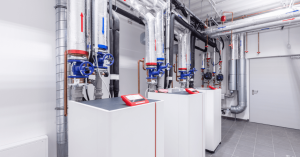
Proper sizing and selection of calorifiers (hot water storage tanks) and pumps are critical for efficient heating systems. Calorifier size depends on hot water demand and storage needs, ensuring supply without energy waste.

Pump selection considers flow rate, pressure, efficiency, and system design to maintain circulation and avoid issues.

Energy efficiency, maintenance, and cost-effectiveness are key considerations.


Water storage tanks provide reliable water reserves for domestic, irrigation, fire protection, and industrial uses. Constructed from durable materials like concrete or steel, they store large volumes to buffer supply during scarcity or peak demand.

Tanks maintain water quality by limiting contamination and require regular maintenance.

Equipped with valves, pumps, and piping, tanks facilitate efficient water distribution.

Proper pipe sizing ensures efficient water distribution by calculating flow rates and pressure drops. Engineers consider building type, occupant count, fixture demand, and water supply pressure.

Correct sizing minimizes pressure loss, ensures adequate flow, and balances cost and energy use.


Water services schematics visually represent plumbing layouts, including pipes, valves, pumps, and connections. They aid planning, coordination, installation, and maintenance, reducing errors and downtime.

Vacuum piping design supports industries like pharmaceuticals and laboratories by providing reliable vacuum systems. Design involves selecting materials, sizing pipes, and planning layouts to meet specific vacuum levels and minimize leaks.

Fuel gas piping design ensures safe, efficient delivery of fuel gas to appliances. It involves sizing and routing pipes considering pressure drop, flow rate, material compatibility, and compliance with Florida codes and safety standards.

InnoDez EXPERTISE ACROSS INDUSTRIES

COMMERCIAL

HEALTHCARE

HOSPITALITY AND ENTERTAINMENT

INDUSTRIAL

MIXES-USE AND APARTMENTS

RELIGIOUS

RESIDENTIAL

RETAIL AND RESTAURANT

WHY US?

  • One-stop Shop for all your design and engineering needs
  • Simple and fast process to get started
  • Quality that is affordable
  • Teamwork with clients
  • Fast and simple communications
  • Responsible and responsive
  • Ability to take on a project anytime
  • Continuous and responsive communications
  • Expert at codes and standards
Our Testimonial

Feedback from
our valuable customer

Feedback from  our valuable customer

InnoDez excels in communication, qualifications, and permitting, ensuring responsive, timely, and competent engineering services.

Feedback from  our valuable customer

John Svalbe

Antelope Valley Engineering, California
Feedback from  our valuable customer

InnoDez ensures accurate, fast-turnaround MEP, Title 24, and civil plans—highly organized and dependable service.

Feedback from  our valuable customer

Tamara Soussan

Tamara Soussan Design , California
Feedback from  our valuable customer

InnoDez consistently delivers on time; their team excels across all construction disciplines—highly recommended!

Feedback from  our valuable customer

Vitus Mataré

Vitus Matare & Associates, Inc. , Malibu, CA
Feedback from  our valuable customer

InnoDez delivers timely results; staff is helpful, courteous, and reliable from estimating to project completion.

Feedback from  our valuable customer

Steven Torres

, Stockton, CA
Feedback from  our valuable customer

InnoDez provides professional, detailed mechanical, electrical, plumbing designs, and Title 24 documentation—reliable and accurate.

Feedback from  our valuable customer

Richard Norris

Norris Architects, Arizona
Please follow and like us:
error
fb-share-icon