
- Mon-Fri 9am-5pm
- hello@innodez.com
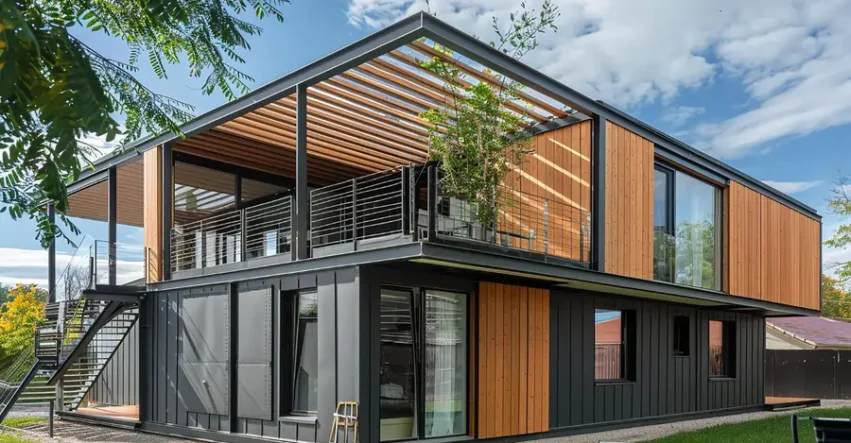
Florida homeowners want homes that are quick to deliver, resilient during storm season, comfortable in high humidity, and efficient to operate. A modular home can check all four boxes when the design is tailored to the Florida Building Code and local site conditions. This guide explains how modular construction works in Florida, what to plan for, and where strong engineering adds real value.
A modular home is built as factory-constructed modules, transported to the lot, and assembled on a permanent foundation. The finished home is inspected to the Florida Building Code, the same standard used for site-built houses. That’s different from HUD-code manufactured housing. With modular, you select plans and finishes, a licensed team prepares site-specific drawings, and the factory builds indoors—keeping materials dry and quality consistent.
Florida’s wind maps and exposure categories drive design, and coastal counties often require 150–180 mph wind performance. In High Velocity Hurricane Zones like Miami-Dade and Broward, opening protection and product approvals must match the drawings. If a parcel lies in a Special Flood Hazard Area, the finished floor must meet the design flood elevation and utilities need elevation or protection approved by the local floodplain manager. Roof coverings, exterior doors, and cladding typically require Florida Product Approval or a Miami-Dade Notice of Acceptance, so the plans should reference those certificates up front to smooth permitting.
A modular home still needs a Florida-ready foundation and clean service routing. Most projects use slab-on-grade or stem-wall foundations; in flood zones, elevated piers or a raised stem wall are common. Anchor bolts, straps, and shear connections must line up with the module chassis per the manufacturer’s details. Utility stubs for water, sewer, power, low-voltage, and any gas should be placed to match the module layout so field changes are minimal, and site grading should move rainwater away from the house with gutters, splash blocks, and a driveway that doesn’t send flow toward neighbors.
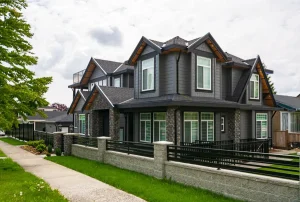
Florida brings sun, salt, and pests, so materials should be chosen for longevity. Light-colored shingles or metal roofs can reduce attic temperatures if their uplift ratings match the wind zone. Fiber-cement, stucco over approved sheathing, or engineered wood with documented approvals handle moisture well when paired with continuous flashing and drainage planes. Indoors, porcelain tile and luxury vinyl plank shrug off tracked-in sand and pet traffic; if you prefer wood, engineered planks with stable cores perform best. Covered entries, screened porches, and stainless fasteners for exterior hardware all extend service life and cut maintenance.
A clear sequence keeps momentum. Start with feasibility—confirm zoning, flood status, utilities, and any HOA rules—then align the selected floor plan with wind, flood, and product approvals. Freeze module dimensions early so the site, foundation, and MEP drawings can be completed for permitting. While the factory builds, foundations, driveways, and utility stubs go in and are inspected. When modules arrive, a crane sets them in place, weather-tight connections are made, and trades finish tie-ins, porches, and stairs before final inspections.
Modular construction can lower carrying costs by overlapping factory work with site work and by locking pricing ahead of time. Insurance underwriters often favor homes with current-code impact protection, engineered tie-downs, and complete inspection records; keep product approvals and final certificates handy for your agent. Downstream savings come from right-sized HVAC, better air-sealing, and resilient exterior finishes that don’t require frequent repainting or replacement.
“Modular equals mobile.” It doesn’t. Modular homes are engineered to the Florida Building Code and sit on permanent foundations with continuous load paths.
“There’s no customization.” There is—floor plans, facades, kitchens, baths, and outdoor rooms—so long as major dimensions are fixed early for factory efficiency.
“They won’t handle hurricanes.” With the correct wind design, verified product approvals, and proper installation, modular homes meet or exceed many site-built outcomes.
Energy performance in a modular home is a design choice, not a guess. When the envelope is air-sealed at the factory and joints are taped before drywall, infiltration drops dramatically and the AC no longer has to chase hot outside air. Specify low-SHGC glazing that tempers Florida sun without making rooms feel dark, and add roof deck insulation or a radiant barrier in the attic to cut peak loads. If you’re installing a heat-pump water heater, give it a semi-conditioned closet so it can scavenge waste heat while keeping sound levels low. Solar-ready planning is straightforward in modular: reserve a south-facing roof zone free of vents, size the main service appropriately, and include a conduit from roof to panel so adding PV later is a one-day job. These moves reduce monthly bills and make the house quieter and more comfortable through the sticky shoulder seasons.
Florida’s counties and cities each add their own procedures on top of the state code, and HOAs often have architectural guidelines covering roof color, porches, and street-facing elevations. Resolve those early with a simple exterior package that shows elevations, materials, and the product approval numbers for windows and doors. On the utility side, book service upgrades and meter sets well before the crane date; lead times can expand during storm recovery periods. Inspectors appreciate clean submittals: include the factory’s QA certificates, truss and tie-down details, and the exact NOA or FBC approval sheets referenced on the drawings. When the set is finished, a short punch-list walk with your GC to check weatherproofing, fire-blocking at inter-module joints, and labeled disconnects will make final sign-off routine.
Financing a modular home resembles financing a conventional build, but the draw schedule is different because factory milestones occur off-site. Lenders typically fund the foundation and site work first, then release on module completion and set. Ask the manufacturer for a clear payment calendar and align it with your lender’s inspections to avoid idle time. For procurement, lock long-lead items—impact windows, exterior doors, service equipment—when you approve the factory drawings so your schedule doesn’t hinge on a back-order. Warranties usually split between manufacturer and site contractor; keep a master list that records coverage for the structure, roof, windows, HVAC equipment, and appliances, along with the service numbers and QR codes. A well-organized closeout file is worth real money if you ever sell or need to make an insurance claim.
A modular home doesn’t demand exotic maintenance, but Florida’s climate rewards a smart routine. Rinse coastal salt from exterior metal after windy weeks, clear roof valleys and gutters before storm season, and check that impact shutters or screens are operable long before a tropical system is on the map. Replace HVAC filters monthly during peak cooling and verify that bath and kitchen exhaust dampers open freely; keeping humidity under control preserves finishes and discourages mildew. Walk the exterior after big blows to spot lifted shingles, loose soffits, or sealant that needs a quick touch-up. These small habits keep the envelope tight and help your modular home age gracefully.
A modular home in Florida can be faster to complete, stronger through storm season, and simpler to maintain—provided design decisions match wind and flood requirements and the MEP systems respect heat and humidity. Focus on documented product approvals, a foundation that ties modules into a continuous load path, impact-rated openings, and right-sized HVAC with proper ventilation. If you want a coordinated plan that links factory modules to a Florida-ready site, InnoDez Florida can turn your concept into a permit-ready, inspection-ready package that delivers comfort on day one and year five.
During planning, it helps to coordinate structure with services. See the InnoDez Florida structural engineering team for tie-downs and foundations — and the InnoDez Florida MEP engineering team for factory-friendly HVAC, electrical, and plumbing.


