
- Mon-Fri 9am-5pm
- hello@innodez.com

When you walk into a cool, comfortable room on a humid Florida afternoon, there is an entire system working quietly behind the scenes. This system is your HVAC — Heating, Ventilation, and Air Conditioning — and it is the heart of indoor comfort. Understanding HVAC basics helps property owners, contractors, and designers make informed choices that balance comfort, cost, and energy performance. For InnoDez Florida, every HVAC design is an opportunity to combine reliability, compliance, and innovation in one cohesive solution.
HVAC stands for Heating, Ventilation, and Air Conditioning. It is a combination of systems that regulate temperature, humidity, and air quality inside buildings. The heating part maintains warmth during cooler months, ventilation ensures air exchange and pollutant removal, and air conditioning provides cooling and dehumidification. Together, these functions shape the way buildings feel and perform year-round.
InnoDez Florida approaches HVAC as a system of balance. The goal is not only to control air temperature but also to create a stable, healthy environment for occupants and equipment. In a state where high humidity and frequent storms are part of daily life, getting HVAC right is not optional — it is essential.
At its core, an HVAC system functions by moving air through controlled cycles of heating, cooling, and filtration. Air passes through a series of components that either heat it up, cool it down, or clean it before distribution throughout the space. Sensors, thermostats, and control systems ensure that the output matches user preferences while maintaining energy efficiency.
In larger buildings, central air systems are connected through ductwork, allowing consistent temperature control in every zone. For smaller spaces, split systems or mini-splits provide flexibility and reduced energy waste. The engineering challenge lies in coordinating these elements to perform smoothly — and that’s where professional MEP engineering from InnoDez Florida becomes critical.
Although HVAC systems vary by size and purpose, most share a few essential components that work together to create indoor comfort. Here are the core elements and their roles:
The thermostat is the command center of any HVAC system. It senses room temperature and activates the heating or cooling equipment as needed. Smart thermostats today learn user preferences, adjust based on schedules, and even optimize performance for energy savings.
The furnace generates heat, typically using gas or electricity, and the air handler circulates it throughout the building. In Florida’s climate, where heating is rarely the main concern, heat pumps often replace traditional furnaces to provide both heating and cooling efficiently.
These coils are essential for cooling. The evaporator coil absorbs heat from indoor air, while the condenser coil releases it outside. Together, they maintain a comfortable indoor environment and manage humidity levels effectively.
Ducts are the air distribution network of an HVAC system. Properly designed ductwork ensures even airflow, quiet operation, and minimal energy loss. InnoDez Florida pays particular attention to duct layout, sealing, and insulation to optimize system efficiency.
Ventilation brings in fresh air and expels stale air. This process is essential in humid climates to prevent mold growth, remove odors, and maintain healthy indoor air quality. Mechanical ventilation systems can include energy recovery ventilators (ERVs) to retain cooling efficiency.
These metal tubes carry refrigerant between the indoor and outdoor units. The refrigerant alternates between gas and liquid states to move heat efficiently. Maintaining these lines is crucial to avoid leaks that can reduce performance and increase environmental impact.
Filters trap dust, allergens, and pollutants, protecting both the occupants and the system. In areas with heavy pollen or coastal particles, filter maintenance is key to maintaining air quality and system longevity.
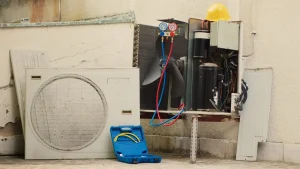
Florida’s subtropical climate makes HVAC design especially challenging. High humidity, frequent rain, and extreme heat require systems that can manage not just temperature but also moisture. Poorly designed HVAC systems can lead to mold growth, condensation issues, and skyrocketing energy bills.
At InnoDez Florida, each design accounts for the local climate and building codes. Systems are designed with dehumidification in mind, using heat recovery, variable-speed fans, and precise zoning controls. Airflow and filtration strategies prevent stagnation and ensure healthy indoor environments even during long summer months.
From residential projects to large commercial developments, InnoDez Florida’s HVAC engineering blends efficiency with resilience. The result is comfort that lasts, even when outdoor conditions are far from forgiving.
In modern HVAC design, sustainability is as important as comfort. Energy-efficient systems reduce both operational costs and environmental impact. This is achieved through advanced equipment, smart controls, and thoughtful system integration. Here are some ways engineers at InnoDez Florida maximize energy performance:
These measures align with Florida’s energy codes and sustainability standards, helping buildings meet LEED, Green Globes, or ENERGY STAR goals. For many developers, partnering with InnoDez Florida ensures that mechanical design supports both performance and compliance.
InnoDez Florida provides full-scope MEP Engineering services, integrating HVAC with structural and electrical systems. Each design starts with a clear brief that defines comfort levels, airflow targets, and energy goals. Engineers then model system performance using advanced simulation tools to predict how the building will behave under real-world conditions.
Three key principles define the InnoDez Florida approach:
This level of discipline makes the brand trusted among architects, developers, and contractors across the state. From small retail spaces to large healthcare facilities, InnoDez Florida’s HVAC solutions deliver comfort, reliability, and long-term value.
Understanding HVAC basics is more than knowing what the acronym stands for. It’s about recognizing how air moves, how heat is exchanged, and how small design decisions shape overall comfort. In Florida, where climate extremes test every system, having an engineering partner who understands the details can make all the difference.
With InnoDez Florida, every HVAC project is built around comfort, efficiency, and control. From design to commissioning, the focus remains on delivering performance that meets the demands of both the building and its users. To explore more about professional MEP and HVAC design, visit InnoDez Florida Contact Page.


