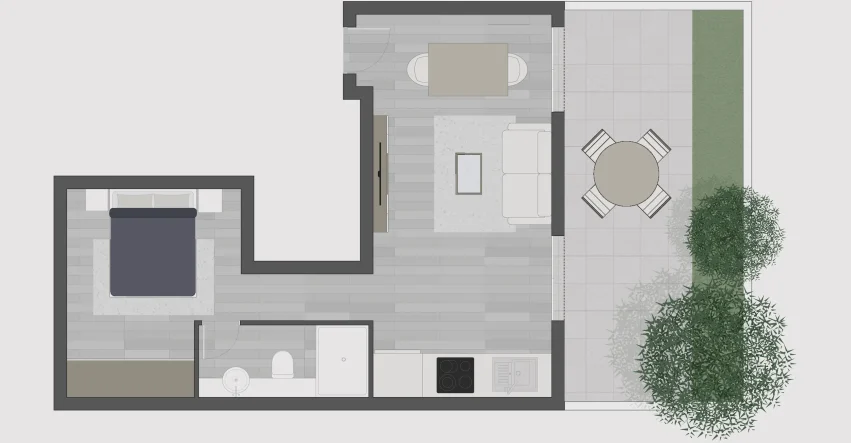
Designing the best floor plan for your dream house is an exciting yet challenging task, especially in Florida where climate, lifestyle, and local building codes all play a major role. A well-thought-out floor plan not only shapes your daily living experience but also impacts your home’s efficiency, future resale value, and adaptability. Whether building from scratch or customizing a pre-designed plan, knowing how to approach the layout will help you create a home perfectly suited to your needs.
Understanding What Makes a Floor Plan Great
The best floor plan harmonizes aesthetics, functionality, and flow. It’s more than just room sizes; it ensures smart space utilization, natural lighting, ease of movement, and a connection between indoor and outdoor spaces. Florida’s warm climate encourages designs that maximize ventilation and outdoor living areas, so the plan must integrate these priorities seamlessly.
Key elements of the best floor plans include clear zoning (separating public and private spaces), efficient circulation paths, balanced room proportions, and flexibility to accommodate changing needs. Thoughtful placement of windows and doors for cross-ventilation, as well as storage solutions, also support everyday comfort.
Key Factors to Consider in Florida Home Design
Florida’s unique environment influences floor plan decisions. The state’s humid subtropical climate requires consideration for hurricane resilience, heat management, and indoor-outdoor living integration. Here are essential factors to keep in mind:
Climate Adaptation: Designs should encourage natural airflow to reduce reliance on air conditioning. Properly sized overhangs and covered patios help shade and cool the home.
Hurricane and Storm Resilience: Floor plans should include hurricane-safe rooms and structurally sound layouts that comply with Florida Building Code.
Outdoor Living: Incorporating verandas, terraces, and screened porches supports Florida’s lifestyle, blurring the lines between indoors and outdoors.
Energy Efficiency: Optimizing window placement and orientation reduces cooling loads. Using insulated walls, doors, and windows enhances comfort and lowers energy bills.
Future Flexibility: Consider multi-use spaces and adaptable rooms to suit changing family sizes or work-from-home needs common in today’s market.
Practical Tips for Creating the Best Floor Plan
Start by listing your family’s daily routines and must-have spaces. Think about how your household flows and which rooms need privacy or seclusion. For example, positioning bedrooms away from living areas enhances quiet and relaxation.
Consider these design strategies for the best floor plan:
Open-Plan Living: Open kitchens, dining rooms, and living areas foster connectivity and flexibility, ideal for entertaining and family. However, balance openness with defined zones to avoid noise travel.
Maximize Natural Light: Orient main living areas to capture morning or afternoon sun, using large windows and sliding doors that also open to patios or pools.
Storage Solutions: Allocate sufficient storage space—walk-in closets, pantry, and utility rooms—in strategic locations for convenience and clutter reduction.
Bathroom and Kitchen Efficiency: Group plumbing-intensive rooms to reduce construction costs and improve efficiency.
Access and Flow: Design easy transitions from garages or entrances into the home, with drop zones or mudrooms to manage everyday clutter.
Privacy: Separate guest areas or home offices from family bedrooms to provide quiet zones.
Working with Professionals to Finalize Your Plan
Engaging with architects, designers, and structural engineers knowledgeable about Florida’s building codes and climate is crucial. These specialists can customize your ideas into practical designs that meet safety regulations, hurricane resistance standards, and energy codes.
Utilizing 3D modeling and virtual walkthroughs helps you visualize space and flow before construction begins. Early collaboration reduces costly changes mid-build and ensures a floor plan that truly fits your lifestyle.
Considering Lifestyle and Future Needs
One of the most important aspects of designing the best floor plan is anticipating how your lifestyle might evolve over time. Many homeowners in Florida prioritize flexibility so their home can grow or adapt. For instance, consider whether you might want a dedicated home office, a guest suite, or space for multigenerational living. Including multipurpose rooms that can be adjusted for various uses allows your home to change with your needs.
Additionally, think about how you entertain, relax, and spend time daily. If outdoor living is integral to your lifestyle, integrate seamless transitions from indoor spaces to patios or lanais. If you prefer quiet and calm, ensure bedrooms or study areas are tucked away from communal zones and street noise. Balancing these lifestyle factors within the floor plan is key to long-term satisfaction.
Integrating Energy Efficiency into Your Floor Plan
Energy efficiency isn’t just about materials or HVAC equipment—it begins with the floor plan design itself. When crafting the best floor plan, orient rooms and windows to optimize natural light and airflow, reducing artificial lighting and cooling needs. Florida’s abundant sunlight makes it beneficial to place commonly used spaces such as living rooms and kitchens on the north or east side to minimize overheating in the afternoons.
Consider incorporating shaded outdoor spaces and roof overhangs to protect windows while maintaining brightness inside. Smart orientation of the home’s footprint can decrease energy consumption substantially, lowering monthly utilities and environmental impact.
Importance of Outdoor Living Spaces in Florida
Outdoor living is central to the Florida lifestyle, and the best floor plans reflect this by creating fluid connections between indoor and outdoor areas. Covered porches, screened lanais, and poolside patios extend your living space, providing comfortable areas to unwind, entertain, or dine while enjoying Florida’s temperate weather.
When designing your floor plan, incorporate wide sliding or folding doors to connect indoor rooms to outdoor spaces. Use durable, weather-resistant materials and consider landscaping that provides shade and privacy. These outdoor extensions are not only practical but they elevate the overall appeal and versatility of your home.
Conclusion
Developing the best floor plan for your dream home in Florida requires balancing climate considerations, lifestyle needs, and future flexibility. Prioritizing flow, natural light, energy efficiency, and indoor-outdoor harmony will ensure your house is comfortable, functional, and built to last.
Ready to design the best floor plan for your Florida dream house? Contact InnoDez Florida for expert guidance and innovative MEP engineering that brings your vision to life with precision and sustainability.