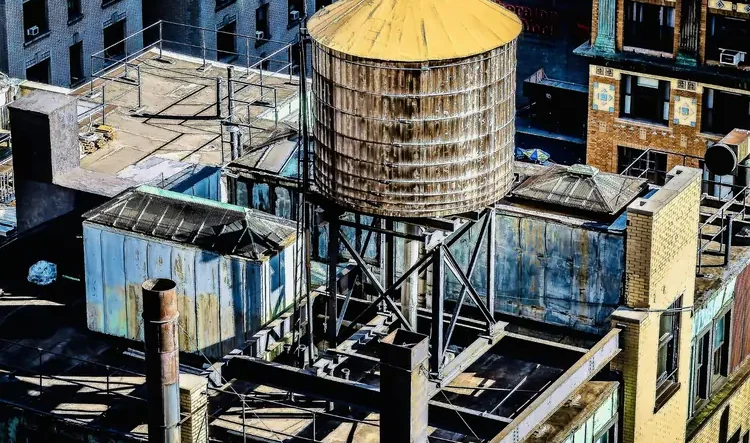
Older buildings often carry charm and history, but frequently suffer from outdated and inefficient mechanical, electrical, and plumbing (MEP) systems. These systems, crucial to a building’s functionality and occupant comfort, deteriorate over time or become incompatible with modern standards. MEP engineering improves older buildings by upgrading these systems to increase energy efficiency, safety, and sustainability, breathing new life into aging structures.
Why Retrofit MEP Systems in Older Buildings?
Many buildings constructed decades ago operate with obsolete HVAC units, inefficient lighting, and leaking plumbing that drive up operating costs and compromise occupant comfort. Retrofitting MEP systems addresses these issues by replacing or upgrading heating, cooling, electrical, and plumbing components with modern, efficient alternatives.
Moreover, retrofitting aligns with sustainability goals by reducing a building’s carbon footprint, supporting energy codes, and improving indoor air quality. As governments and utilities increase incentives for energy-efficient improvements, owners find retrofitting MEP systems a smart long-term investment.
Key Areas Where MEP Engineering Makes a Difference
MEP engineers focus on several critical building systems to maximize efficiency gains:
Heating, Ventilation, and Air Conditioning (HVAC): Modernizing old boilers, chillers, and air handling units with high-efficiency heat pumps, variable speed drives, and demand-controlled ventilation lowers energy use while maintaining comfort.
Electrical Systems: Upgrading lighting with LED technology, improving wiring safety and capacity, and integrating smart controls optimizes energy consumption and supports evolving building technologies.
Plumbing Systems: Replacing aging pipes and fixtures with low-flow and leak-resistant models reduces water waste and potential damage from leaks, while improving reliability.
Upgrading these systems requires a holistic design approach ensuring mechanical, electrical, and plumbing elements operate seamlessly together.
Benefits of Upgrading MEP in Older Structures
The advantages of MEP retrofits in older buildings are substantial and multifaceted:
Energy and Cost Savings: Efficient equipment reduces utility bills and lowers operational expenses, often with return on investment within a few years.
Improved Occupant Comfort and Health: Enhanced climate control and ventilation improve indoor air quality and thermal comfort.
Increased Building Value: Modernized infrastructure raises property appeal and market value.
Compliance and Safety: Upgrades help buildings meet current codes and reduce fire and electrical hazards.
Environmental Impact: Lower energy and water use contribute to sustainability goals, recycling credits, and certification programs.
Steps to Retrofit MEP Systems Effectively
Successful retrofitting begins with a comprehensive assessment of the existing building systems, including an energy audit and condition survey. Identifying inefficiencies, equipment age, and potential safety risks guides informed decision-making about what components to upgrade or replace.
Next, engineers develop an integrated retrofit plan that balances upfront investment with operational savings. Coordinating mechanical, electrical, and plumbing upgrades reduces disruptions and maximizes synergies. Technologies such as Building Information Modelling (BIM) help visualize system integration and detect installation clashes before construction starts.
The retrofit process often includes installing smart controls, sensors, and automation systems to monitor and optimize building performance over time. Staff training and maintenance strategies ensure that improvements continue to deliver value long after project completion.
Leveraging Utility Incentives and Energy Audits
Property owners in Florida and across the U.S. can benefit from various incentives offered by utilities and government programs aimed at boosting energy efficiency. These include rebates for lighting retrofits, HVAC upgrades, and water-saving plumbing fixtures.
Conducting a professional energy audit is the first step to qualify for many of these programs and uncover additional efficiency opportunities. Experienced MEP engineers can guide owners through incentive applications and ensure retrofit designs maximize rebate potential while meeting performance goals.
Importance of Regular Maintenance and Monitoring
Upgrading MEP systems is only the first step; ongoing maintenance and monitoring are essential to sustain efficiency gains. Implementing building automation and management systems (BMS) helps track energy consumption, detect equipment faults early, and adjust system parameters dynamically to optimize performance.
Periodic system inspections and preventive maintenance prevent costly failures and ensure compliance with safety regulations. A proactive approach extends the lifespan of building systems, maintains occupant comfort, and preserves the investment made during retrofit.
Considerations for Florida Buildings
Florida’s humid climate and hurricane exposure pose unique challenges for older buildings. MEP retrofits must account for moisture control to prevent mold and corrosion, which can degrade system components. HVAC systems need to provide effective humidity management while maintaining cooling efficiency.
Additionally, upgraded electrical systems should incorporate surge protection and be resilient to frequent storms and power fluctuations common in Florida. Plumbing improvements that guard against leaks and flooding are especially important in older structures vulnerable to water damage.
Technology Integration Enhances Efficiency
Integrating modern technology plays a significant role in maximizing the benefits of MEP upgrades. Smart building systems, including sensors and automation, provide real-time data that facility managers can use to monitor energy usage and system health. Predictive maintenance powered by these technologies reduces downtime and maintenance costs while improving system lifespan.
Energy management software can automatically adjust HVAC settings based on occupancy patterns, outdoor weather conditions, and utility pricing. This intelligent adaptation ensures optimal comfort with minimal waste, crucial in Florida’s variable climate. Additionally, integrating renewable energy sources like solar panels can offset energy use and further enhance building sustainability.
Future-Proofing Your Building with MEP Upgrades
Investing in modern MEP engineering solutions improves current performance and prepares buildings for future innovations. Upgraded infrastructure accommodates future technology integration, such as electric vehicle charging stations, energy storage, or advanced ventilation systems required by evolving health and safety standards.
Designing with scalability and adaptability in mind lets owners respond quickly to market demands or regulatory changes. This future-proofing enhances asset value, reduces downtime for future renovations, and supports sustainable property management strategies.
Conclusion
MEP engineering improves older buildings by replacing outdated systems with modern, efficient, and sustainable solutions. Retrofitting mechanical, electrical, and plumbing infrastructure unlocks significant energy savings, enhanced safety, better occupant comfort, and increased property value. For building owners and facility managers looking to revitalize aging assets, partnering with experienced MEP engineers that understand local codes and technologies is essential.
Ready to improve the efficiency of your older building with expert MEP solutions? Contact InnoDez Florida to explore retrofit strategies tailored to your building’s needs.