
- Mon-Fri 9am-5pm
- hello@innodez.com
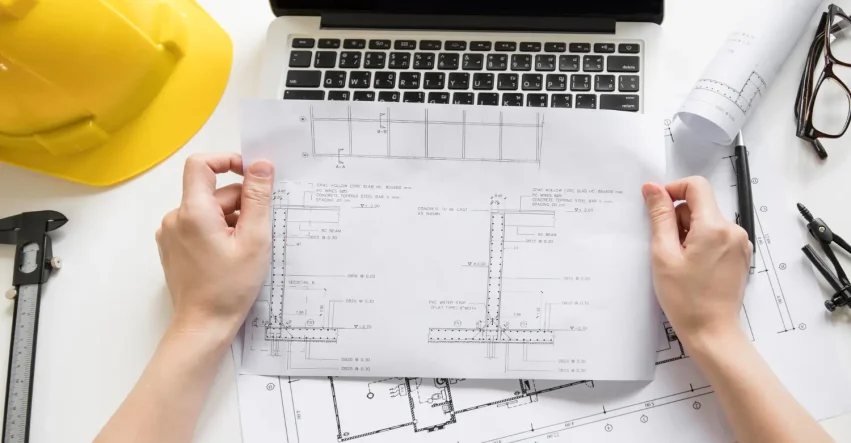
In Florida, constructing buildings that can withstand intense weather and meet strict building codes starts with one critical component: construction blueprints. These comprehensive, detailed drawings are the guiding documents that ensure every part of a project is built as planned—safe, compliant, and efficient.
This blog will dive into what construction blueprints entail, why they’re vital, the types you’ll encounter in Florida’s building industry, and how they weave into regulatory processes. Understanding blueprints gives property owners, contractors, and designers confidence and clarity throughout the build journey.
Construction blueprints are technical, often CAD-based drawings that visually communicate a building’s design and specifications. They cover dimensions, materials, systems, and layouts critical for construction. Each blueprint translates architectural and engineering ideas into precise instructions for framing, plumbing, electrical, HVAC, and more.
Think of blueprints as the project’s visual contract—detailing exactly what is to be built, where, and how. Without them, construction would be a guessing game prone to errors, delays, and increased costs.
Florida’s unique environment demands exceptional precision in building. Hurricane-force winds, heavy rains, high humidity, and flood-prone areas require that every structural and system detail be planned meticulously.
Blueprints are legal requirements for permitting and inspections under the Florida Building Code (FBC). They demonstrate compliance with safety standards designed to protect occupants and investments. More than paperwork, they help coordinate multidisciplinary teams to avoid costly conflicts on site.
Florida construction projects typically involve several blueprint types, including:
Each blueprint set is interconnected, forming a comprehensive guide for every phase.

Blueprints usually contain:
Clear, well-organized blueprints mitigate risks of misinterpretation and maximize build quality.
The Florida Building Code governs all construction activities statewide, emphasizing hurricane resistance, energy efficiency, fire safety, and flood protection.
Construction blueprints must comply with these codes, detailing structural reinforcements, window and door ratings, insulation, and evacuation route details. Properly prepared blueprints streamline permitting and safeguard against inspection delays.
Local building departments require digital plan submissions adhering to standardized sizes and formats, including compliance with flood zone and wind load requirements. Permits may be expedited in declared disaster response zones, provided detailed, code-compliant blueprints are available.
Blueprint creation is a team sport involving architects, engineers, and drafters collaborating throughout design phases.
Using modern software such as Revit or AutoCAD, drawings are produced iteratively, incorporating feedback and resolving conflicts early.
This collaborative approach ensures blueprints are coordinated across disciplines—structural, mechanical, electrical—avoiding on-site surprises and rework.
For seamless integration of blueprint design with engineering, consider InnoDez Florida’s MEP Design Services.
Blueprints act as a universal language on Florida construction sites. Contractors, inspectors, and suppliers all rely on these documents for clarity about the project scope and details.
They reduce misunderstandings, guide procurement, facilitate scheduling, and most importantly, ensure the final build matches the owner’s expectations and legal requirements.
For project success, continuous reference to updated blueprints is essential throughout construction.
In Florida, the permitting process can vary by county but generally follows a structured review timeline based on code compliance. Once construction blueprints are submitted, building officials conduct a detailed review focusing on structural integrity, hurricane resistance, flood zone adherence, and energy code standards.
Recent legislative updates have streamlined permitting, requiring many single-family permits to be approved within days, provided blueprints meet all Florida Building Code provisions. Contractors and homeowners should engage early with local building departments to understand any jurisdiction-specific requirements or incentives.
Beyond daily project execution, blueprints provide crucial information for disaster preparedness and recovery. Detailed records of structural systems and materials allow engineers to assess damage swiftly after hurricanes or floods and plan repairs or reinforcements accordingly.
They also guide emergency responders during evacuations by highlighting safe exit paths and structural safety zones within buildings.
Construction blueprints are the unsung heroes of safe and efficient building in Florida. They capture the technical DNA that guides every beam, pipe, and wire, ensuring resilience in the face of nature’s challenges.
For tailored, high-quality blueprint development and structural engineering, InnoDez Florida is your trusted partner. Explore our MEP design services or reach out via our contact page to get started on your next project with confidence.
In addition to guiding construction, blueprints provide long-term value by documenting the specifics of your building. This becomes invaluable during maintenance, renovations, or resale. Clear, accessible blueprints give property owners and managers the knowledge they need to maintain structural safety and compliance with Florida’s ever-evolving regulations and environmental challenges.


