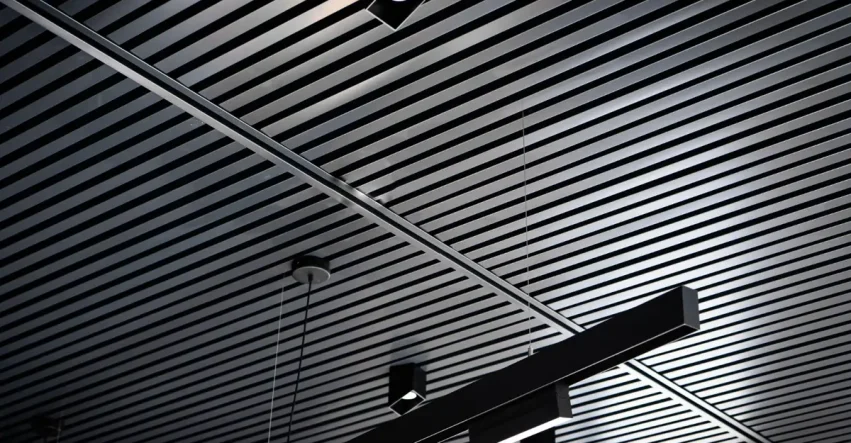
When it comes to interior design and construction, choosing between exposed and suspended ceilings is a decision that blends both practical function and aesthetic style. In Florida’s unique climate and vibrant architectural scene, this choice can significantly affect a building’s look, feel, and performance. Whether you’re renovating a home, designing a commercial space, or planning a new build, understanding the differences between these two popular ceiling styles is essential.
Why Choosing Between Exposed and Suspended Ceilings Matters in Florida
Ceilings are often overlooked, but they play a pivotal role in defining a room’s atmosphere and functionality. In Florida, where heat, humidity, and natural light are key factors, the ceiling design can impact everything from energy efficiency to acoustic comfort.
Choosing between exposed and suspended ceilings involves evaluating how each style aligns with your design vision and practical needs. Exposed ceilings offer a modern, industrial aesthetic with open views of structural and mechanical elements, while suspended ceilings provide a clean, polished look that conceals wiring, ducts, and pipes.
What Are Exposed Ceilings?
Exposed ceilings, also known as open ceilings or open plenums, reveal the building’s structural framework and mechanical systems. Instead of covering up ducts, pipes, and beams, these elements remain visible, sometimes enhanced with paint or decorative finishes.
This style is especially popular in Florida’s urban spaces, such as Miami lofts and trendy office environments, where the industrial vibe is highly sought after. The open nature of exposed ceilings creates a sense of spaciousness, making rooms feel larger and airier—an important benefit in Florida’s warm climate.
Benefits of Exposed Ceilings in Florida
Maximized Vertical Space: By eliminating drop ceilings, exposed ceilings allow rooms to utilize the full height of the building, improving airflow and cooling efficiency.
Enhanced Natural Lighting: Exposed ceilings work well with skylights and large windows, reflecting sunlight and brightening interiors.
Unique Design Opportunities: Visible mechanical and electrical systems can be transformed into artistic features, adding character and modern flair.
However, choosing between exposed and suspended ceilings means recognizing that exposed ceilings require expert installation and maintenance. They can pose challenges with acoustics, often creating echoes, and may increase energy costs due to less insulation.
Understanding Suspended Ceilings
Suspended ceilings, or drop ceilings, consist of a grid system hung below the main structural ceiling, with removable panels that hide mechanical systems. This classic ceiling style is widely used in Florida’s offices, schools, and healthcare facilities.
Suspended ceilings offer a neat, uniform appearance and make it easy to access plumbing, electrical wiring, and HVAC components for maintenance.
Why Suspended Ceilings Are Favored
Concealment and Cleanliness: Suspended ceilings hide unsightly ducts and wires, creating a smooth, finished look.
Sound Absorption: Acoustic tiles reduce noise pollution, which is valuable in busy commercial or multi-family residential buildings.
Improved Fire Safety and Insulation: Many panels are fire-resistant and provide thermal insulation, helping to lower cooling costs in Florida’s hot climate.
Ease of Maintenance: Panels can be removed and replaced without disrupting the entire ceiling.
Key Considerations When Choosing Between Exposed and Suspended Ceilings
When choosing between exposed and suspended ceilings, consider these important factors to ensure your ceiling choice fits your project’s goals:
Aesthetic Goals: Exposed ceilings suit modern, industrial designs, while suspended ceilings offer a traditional, polished look.
Energy Efficiency: Suspended ceilings typically provide better insulation, which can reduce Florida’s high cooling expenses.
Acoustic Needs: Suspended ceilings with acoustic tiles are better for noise control; exposed ceilings may require additional soundproofing.
Budget and Maintenance: Exposed ceilings often involve higher labor and upkeep costs, whereas suspended ceilings may have higher material costs but lower maintenance.
Expanding the Horizon: Additional Factors to Weigh
Impact on Indoor Air Quality and HVAC Performance
In Florida’s humid environment, indoor air quality is a key concern. Choosing between exposed and suspended ceilings also means considering how each affects HVAC system performance and air circulation.
Exposed ceilings allow HVAC ducts to be fully visible, which can facilitate easier inspection and maintenance. However, because there is no barrier between the conditioned space and the ceiling plenum, temperature fluctuations can be more pronounced, potentially increasing energy use. Conversely, suspended ceilings create a buffer zone that can help contain conditioned air, improving overall climate control and reducing HVAC strain.
Lighting Design Flexibility
Lighting is another critical element influenced by ceiling choice. Exposed ceilings provide a blank canvas for creative lighting installations—think industrial pendant lights, track lighting, or LED strips that highlight exposed pipes and beams. This flexibility is perfect for Florida’s modern, vibrant interiors where lighting can double as an artistic statement.
Suspended ceilings, on the other hand, accommodate recessed lighting fixtures and standard panel lights that fit seamlessly within the grid. This makes them ideal for spaces requiring uniform, glare-free illumination, such as offices or classrooms.
Durability and Longevity
Florida’s coastal climate can be harsh on building materials due to high humidity and salt air. When choosing between exposed and suspended ceilings, durability is a factor to consider.
Exposed ceilings, with their visible pipes and ducts, may require more frequent repainting and maintenance to prevent corrosion and wear. Suspended ceilings, typically made from moisture-resistant tiles, can better withstand Florida’s environmental challenges but may need periodic tile replacement due to sagging or staining.
Environmental and Sustainability Considerations
Sustainability is increasingly important in construction decisions. Suspended ceilings often use recyclable materials and can improve a building’s energy efficiency by enhancing insulation. Exposed ceilings reduce material use by eliminating the need for additional ceiling panels, which can lower the embodied carbon footprint of a project.
Choosing between exposed and suspended ceilings with sustainability in mind means balancing material use, energy efficiency, and maintenance demands.
Benefits Summary
Benefits of Exposed Ceilings:
Creates a spacious, airy environment with increased ceiling height
Highlights architectural and mechanical elements as design features
Enhances natural lighting and airflow, ideal for Florida’s climate
Advantages of Suspended Ceilings:
Conceals unsightly mechanical systems for a clean look
Improves soundproofing and fire safety with specialized tiles
Offers easy access for maintenance and reduces energy costs
Final Thoughts on Choosing Between Exposed and Suspended Ceilings
In Florida’s diverse architectural landscape, choosing between exposed and suspended ceilings is a balance of style and function. Exposed ceilings bring a trendy, industrial edge and spacious feel but require careful design and maintenance. Suspended ceilings offer practicality, sound control, and energy savings, making them a reliable choice for many projects.
Ready to upgrade your ceilings? Whether you prefer exposed or suspended styles, InnoDez Florida offers expert guidance and quality installation tailored to Florida’s climate. Contact us today for a free consultation and elevate your space with style and function!