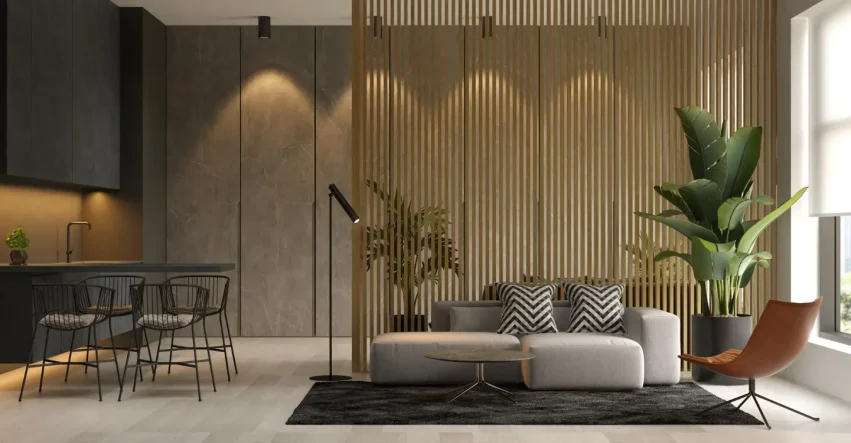
1. The Natural Element
Bringing nature indoors is one of the most timeless and refreshing ways to enhance your home’s interior. Using plants and natural materials not only adds vibrant color but also improves air quality and creates a calming atmosphere. Consider integrating leafy houseplants like spider plants, elephant ears, or trailing ivies to breathe life into your living spaces.
Natural textures such as wood, stone, or woven fabrics pair beautifully with green plants, creating a balanced and organic feeling in your rooms. Whether you opt for a single statement plant or a cluster of smaller pots, the natural element never goes out of style and keeps your interiors feeling fresh year-round. Adding natural light with wide windows or skylights can amplify this effect, further connecting your rooms to the outdoors.
2. Selecting Paintings: Color and Size Tips
Artwork personalizes your home and brings character to your walls. When choosing paintings or wall art, trust your instincts about the style that resonates with you. While matching colors can create cohesion, don’t shy away from contrasting hues or classic black and white pieces to add unexpected flair. The key is to keep your home’s overall palette in mind without feeling restricted.
Size matters when it comes to art placement. For example, above a sofa, aim for a piece roughly two-thirds the width of the furniture. Smaller artworks arranged in a gallery-style grouping can follow the same principle by combining pieces that together reach the right scale. Remember, too-small art can appear out of place and lose impact, while too-large pieces might overwhelm the space. Consider mixing different media—photography, paintings, textiles—to create visual interest while sticking to your size guidelines.
3. Let Your Personality Show
Your home should be a reflection of who you are—your hobbies, interests, and daily habits. Don’t hesitate to highlight personal treasures such as musical instruments, travel souvenirs, or crafted items as part of your décor. A guitar leaning against a stylish stand or a drum used as a side table can become unique focal points that spark conversations and express your character.
This authentic expression brings warmth and individuality to your design, making your home truly one-of-a-kind rather than a showroom copy. Family photographs displayed creatively or hand-made crafts also add layers of personality. Remember, the goal is to create a home that feels welcoming and true to your life, not just a space filled with beautiful objects.
4. Interior Lighting
Good lighting can transform a room, amplifying colors, textures, and mood. Relying solely on white paint or natural daylight won’t guarantee a bright and welcoming interior. Instead, plan a layered lighting system that includes ceiling fixtures, table lamps, floor lamps, and accent lights.
Consider task lighting for reading or cooking areas, ambient lighting for general brightness, and accent lighting to highlight artwork or architectural features. Dimmer switches add versatility by letting you adjust brightness based on time of day or occasion, enhancing comfort and functionality. Additionally, using warm LED bulbs can make spaces feel cozy, while cooler tones may suit workspaces better. Don’t forget the importance of lighting placement to avoid harsh shadows or glare—an often overlooked detail that elevates the entire room’s ambiance.
5. Shiny Things
Adding metallic or glossy elements is an easy way to inject luxury and sophistication into your interior design. Accessories made from brass, bronze, or stainless steel can brighten a room by reflecting light and creating visual interest.
Think about incorporating shiny picture frames, decorative bowls, or crystal vases. Even a polished metal lamp or mirror can elevate a simple space, adding texture and sparkle without overpowering other design elements. Consider alternating matte and shiny surfaces to add depth—too many shiny elements can feel overwhelming, but the right balance creates elegance and charm.
6. Foyer Design
The foyer is the introduction to your home—it sets the tone for what guests will experience. A well-designed foyer combines style with purpose. Adding decorative chairs and a small table not only enhances elegance but also fills the space, preventing emptiness often seen in large open entrances.
These elements create a welcoming atmosphere and provide practical spots for guests to settle or leave belongings. Consider also a stylish coat rack, a welcoming rug, or a statement light fixture to complete the look and add warmth to your entryway.
7. Spacing: The Golden Ratio
Understanding scale and proportion can dramatically improve your interiors. The golden ratio—a division of space in roughly two-thirds and one-third—has long guided artists and architects seeking harmony in design. Applying this principle to your rooms helps create balance that is pleasing to the eye.
Another popular rule is the 60/30/10 color scheme: 60% dominant color, 30% secondary, and 10% accent, often applied to walls, furniture, and accessories respectively. Keeping these ratios in mind when arranging furniture, hanging artwork, or selecting colors will ensure your space feels unified and thoughtfully composed. These principles work across styles—from minimalist to maximalist—adding subconscious balance that enhances comfort and aesthetic appeal.
8. Harness the Power of Color Psychology
Colors influence our mood and perception more than we often realise. Incorporating color psychology into your interior design helps you create spaces that truly resonate.
For instance, blues and greens tend to evoke calmness and relaxation, ideal for bedrooms or bathrooms. Warm hues like reds and oranges energise spaces, making them perfect for lively areas like kitchens or playrooms. Neutral tones provide balance and versatility, offering a calming backdrop for bold accents. When choosing your palette, consider both the function of each room and the emotions you want to foster—this thoughtful approach creates harmony between your environment and your wellbeing.
9. Mix the Old and New for a Timeless Look
Combining vintage or heirloom pieces with contemporary furnishings creates a dynamic, timeless space full of character. An antique sideboard paired with a modern dining table offers contrast that feels curated and meaningful.
Don’t hesitate to mix textures and eras; a classic rug with sleek chairs or a retro pendant light with minimalist décor can add zest and narrative. This blend ensures your interiors stay fresh and unique, reflecting both history and your current taste.
10. Prioritize Flow and Functionality in Your Space
Beautiful interiors must serve practical daily needs. Thoughtfully arranging furniture to support natural traffic flow makes movement effortless. Avoid overcrowding rooms; leave enough space for passage, especially between seating and walkways.
Consider how you use each room—group seating for conversation, ensure easy access to frequently used items, and plan storage that keeps clutter out of sight. Always balance aesthetics with usability, as a room that “looks good” but doesn’t work for your lifestyle will quickly lose appeal.
Final Thoughts
Interior design is a journey that ultimately should reflect your personality and lifestyle. These interior design tips for homeowners serve as a helpful roadmap, but never forget to trust your gut and enjoy the creative process. Remember, your home is where your story unfolds—let its décor speak your truth.
For expert guidance on integrating design with your home’s structure and systems, explore InnoDez Florida’s MEP and Structural Engineering Services. To spark inspiration, visit Houzz Interior Design Ideas.
Ready to bring your vision to life with professional support? Contact InnoDez Florida today for tailored solutions that merge style, safety, and functionality in your home.